
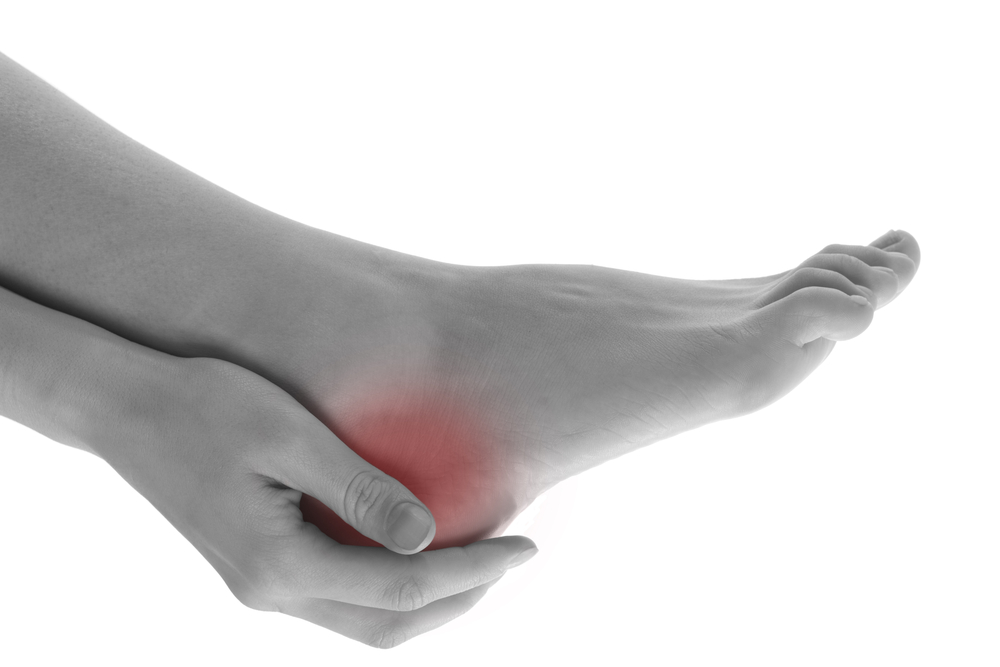
How to Treat Heel Pain at Home (And When to See a Specialist)
Heel pain can feel debilitating. That sharp sting with your first steps in the morning, the dull ache that builds as you walk—it forces you to limp through your day, limit activities you enjoy, and constantly think about your feet. The good news? Most heel pain responds well to home treatment. But knowing when to move beyond self-care to professional help is equally important.
Start With the Basics: RICE Protocol
The first step is reducing inflammation. The RICE protocol—Rest, Ice, Compression, Elevation—provides immediate relief for many people.
Rest
Doesn't mean immobility; it means avoiding activities that aggravate your pain. If running causes heel pain, switch to swimming or cycling temporarily. If standing for hours hurts, find ways to sit more frequently. Strategic rest allows initial inflammation to settle without complete inactivity, which weakens supporting muscles.
Ice
Reduces swelling effectively. Apply ice for 15-20 minutes, 3-4 times daily, especially after activity. Frozen water bottles work well—roll them under your foot for dual benefit of icing and gentle massage.
Compression
Through supportive footwear or athletic tape reduces motion that irritates inflamed tissue. This is often overlooked but surprisingly effective.
Elevation
When sitting helps drainage and reduces swelling. Prop your foot on a pillow while working or watching television.
Fix Your Footwear
What you wear matters enormously. Worn-out shoes, unsupportive sandals, and flat shoes without arch support frequently perpetuate heel pain.
Look for shoes with:
- Adequate arch support (not flat)
- Good heel cushioning that absorbs shock
- A stable heel cup that prevents excessive motion
- Enough room in the toe box (tight shoes worsen pain)
If your current shoes are over a year old with heavy daily use, new shoes alone may dramatically improve symptoms. Avoid flip-flops, unsupported sneakers, and completely flat shoes during recovery.
Night splints are also worth considering. These maintain gentle stretching of your calf and plantar fascia while sleeping, preventing the tissue tightening that causes morning pain.
Stretching and Strengthening
Most heel pain involves tight calf muscles and an inflamed or strained plantar fascia. Targeted stretches address both.
Calf Stretches
Stand facing a wall, place one foot forward and one back. Keeping your heel planted on the back foot, lean forward until you feel a stretch in your calf. Hold 30 seconds, repeat 3 times, 2-3 times daily.
Plantar Fascia Stretching
Sit down, cross one leg over the opposite knee, and gently pull your toes toward your shin. You should feel a stretch along the bottom of your foot. Hold 30 seconds, repeat 3 times.
Intrinsic Foot Strengthening
Strengthens the muscles supporting your arch. Simple exercises like scrunching a towel with your toes or picking up marbles with your foot improve foot stability and reduce pain.
Consistency matters more than intensity. These stretches take 5-10 minutes but must become daily habit, not occasional efforts.
OTC Supports and Aids
Over-the-counter arch supports and heel cups provide relief for many people, though they're not customised to your specific biomechanics like prescription orthotics are. Still, they're worth trying before spending on custom devices.
Anti-inflammatory medications (ibuprofen, naproxen) can help, particularly if taken before activity. Some people find topical anti-inflammatory creams beneficial, though evidence is mixed.
Activity Modification Matters
Rather than complete rest, modify activities. If your heel hurts after walking 20 minutes, walk 10 minutes. Gradually increase duration as pain improves. Swimming, water aerobics, and cycling typically cause less heel pain than walking or running.
How Long Should You Try Home Treatment?
Most people see improvement within 2-4 weeks of consistent home treatment. If pain remains unchanged after 3-4 weeks despite diligent effort, professional evaluation becomes worthwhile.
When Professional Help Is Necessary
Seek professional evaluation if:
- Pain persists beyond 2-3 weeks despite home treatment
- Pain is severely limiting your daily activities or work
- Swelling or redness accompanies heel pain
- Your gait has significantly changed (limping as compensation)
- Pain is progressively worsening
- You have diabetes or immune system compromise (higher infection risk)
A podiatrist can accurately diagnose what's causing your heel pain—whether it's plantar fasciitis, Achilles tendonitis, heel spurs, or something else entirely. Professional assessment also identifies biomechanical issues home treatment can't address.
Depending on your diagnosis, professionals may recommend custom orthotics specifically designed for your foot structure, advanced imaging to rule out fractures, corticosteroid injections for severe inflammation, or specialized treatments like shockwave therapy for chronic heel pain. These interventions often prove necessary when conservative home treatment plateaus.
The Bottom Line
Start with home treatment—it works for many people. Commit fully to stretching, footwear changes, ice, and activity modification for at least 3-4 weeks. But recognize that persistent heel pain deserves professional evaluation. Early intervention prevents the chronic pain and compensation injuries that develop from long-term limping. Your feet carry you through life; treating them well—whether at home or with specialist guidance—is time well spent.
Need professional podiatry care?
Schedule an Appointment